
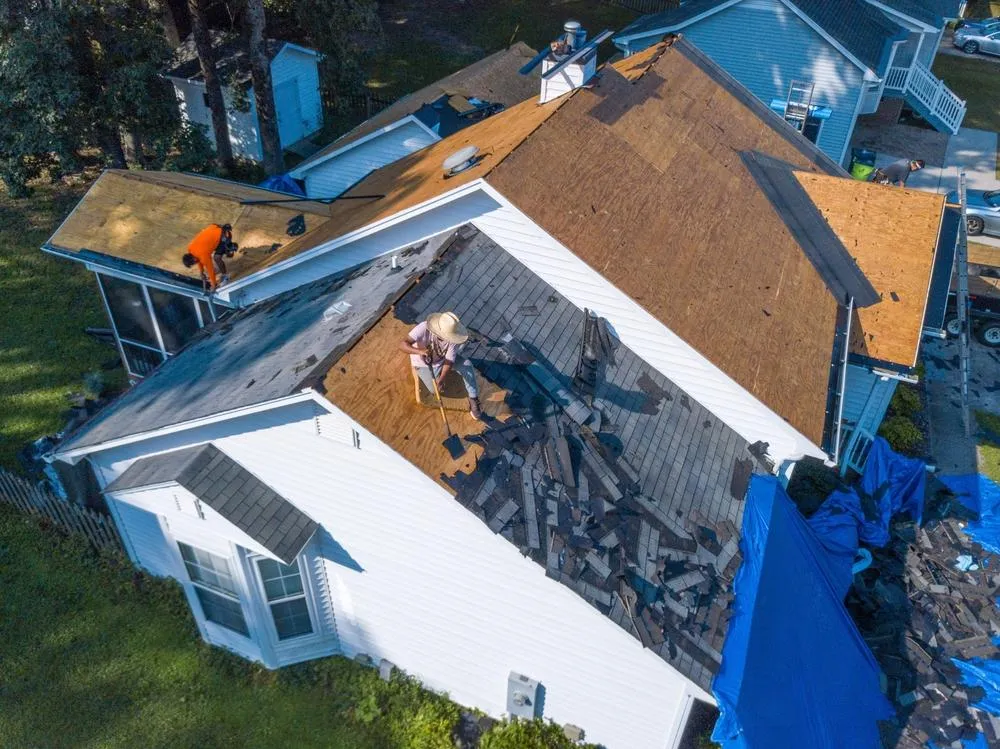
Roof Tear-Off or Overlay: Which Option Is Better for Longevity
Choosing between a full replacement and an overlay affects how long your roof protects your home and how often you face future repairs. Many Wisconsin homeowners feel unsure because both options promise savings or convenience under different conditions. Clear guidance helps you decide which approach actually supports long-term durability and predictable maintenance.
You also need to consider weather exposure, roof age, and inspection findings before committing to either option. Snow loads, ice dams, and seasonal storms across South Central Wisconsin place added stress on aging roof systems. Understanding the real tradeoffs helps you plan roof replacement with fewer surprises later.
Roof Tear-Off and Overlay Options Deliver Different Longevity Outcomes
A roof tear-off provides longer lifespan by removing old materials, addressing hidden damage, and creating a clean installation surface. An overlay adds new shingles over existing layers, which limits inspection visibility and can shorten overall roof life. Longevity depends on roof condition, local weather exposure, and professional installation quality.
How Existing Roof Condition Determines the Better Longevity Choice
Your current roof condition strongly influences whether replacement or overlay delivers better long-term performance. Older roofs often hide moisture damage, soft decking, or ventilation problems beneath surface materials. Ignoring underlying issues usually shortens lifespan regardless of the installation method.

A roof tear-off allows contractors to inspect decking, flashing, and ventilation before installing new materials. Direct access supports professional repairs, leak prevention, and long-term structural stability. Clean installation surfaces help shingles perform as intended.
Overlays may work when existing roofs remain flat, dry, and structurally sound after inspection. Even then, added weight and trapped heat can accelerate wear over time. Longevity depends heavily on accurate inspections and honest contractor assessments.
How Cost Differences Affect Longevity Between Replacement Options
Cost differences between replacement methods often come from labor, materials, and preparation work required before installation begins. You should understand how each option affects long-term expenses rather than focusing only on upfront pricing. Roof tear-off typically costs more initially because it involves removal, disposal, and surface preparation work.
Removing existing materials adds labor hours and disposal fees that overlays simply do not require. You pay for dumpsters, hauling, and cleanup, but you gain full access for proper repairs.
Overlay installations save money upfront by skipping removal, which reduces labor time and disposal costs. You still risk paying more later if hidden damage causes early roof failure issues later.
Material weight matters because adding layers increases stress on decking and structural components over time. You should confirm local code limits before choosing an overlay approach for your property project.
Labor pricing also varies based on roof pitch, access, and safety requirements for crews working. Steeper roofs increase setup time and slow installation, which significantly raises the total roofing project cost overall.
Preparation work includes ventilation checks, decking repairs, and flashing updates discovered during inspections beforehand often. Skipping preparation saves money in the short term, but increases future roof repairs and maintenance costs.
Cost comparisons make sense only when you consider lifespan, repair risk, and maintenance frequency together. You often spend more over time when lower upfront choices shorten roof performance expectancy significantly. Clear estimates from professional roofing contractors help you weigh options realistically for your property goals.
How Building Codes and Local Rules Influence Longevity Decisions
Local building codes influence whether overlays are allowed and how many layers you can install. You should verify requirements with local inspectors before scheduling any roof-replacement work in advance. Code compliance protects you from fines, delays, and forced corrections later during inspections and sales.
A roof tear-off often becomes mandatory when multiple layers already exist on older Wisconsin homes. Inspectors want to see decking condition to approve new installations safely for occupancy compliance purposes. Skipping required removal can halt projects and increase costs unexpectedly during construction phases locally often.
Permit timelines also affect scheduling, especially during peak seasons across South Central Wisconsin counties annually. Delays can extend labor costs and leave your home exposed longer than expected during projects. Understanding local processes helps you plan realistically and avoid last-minute surprises during roofing decisions locally.
How Maintenance Access Impacts Long-Term Roof Performance
Longevity depends on how well future maintenance supports the installation method you choose long-term performance. Your inspection schedule and repair access differ significantly between overlays and full replacements over time. Roof tear-off provides clearer visibility for long-term maintenance planning and leak prevention.
With full removal, you and contractors can inspect decking, flashing, and ventilation during routine visits. Clear access helps catch small issues before they turn into major roof repairs later, unexpectedly.
Overlays limit inspection visibility because older layers remain hidden beneath new materials over time often. You may miss moisture problems until leaks appear inside living spaces unexpectedly later during storms.
Maintenance tasks like flashing repairs and ventilation adjustments become easier after complete removal during service. Ease of access reduces labor time and supports long-term, reliable preventative roof maintenance planning efforts.
Storm damage response works faster when crews can assess underlying materials without obstruction after events. Quick assessments help limit water intrusion and interior damage during severe weather events locally often.
Long-term maintenance costs usually stay lower when inspections remain accurate and consistent over ownership periods. You gain better control over repair timing and budgeting decisions for properties you manage long-term.
Longevity improves when maintenance access aligns with the installation method chosen for durability goals in the long term. You benefit from fewer surprises when inspections reveal conditions early during ownership cycles locally often. Planning maintenance realistically helps you protect your investment and extend roof life across Wisconsin homes.
How Long-Term Ownership Goals Shape the Better Longevity Choice
Your ownership timeline should guide whether a roof tear-off or overlay makes more sense for durability. Short-term ownership often favors lower upfront cost, while long-term ownership rewards deeper structural correction and visibility. Clear goals help you avoid paying twice for the same roof.

A roof tear-off supports longer ownership by removing hidden problems before they grow into expensive repairs. Clean installation surfaces improve material performance and simplify future inspections. You gain better control over maintenance planning and long-term roof reliability.
Overlays may suit properties with limited ownership horizons and documented roof condition stability. Added layers can shorten lifespan when heat buildup and trapped moisture accelerate wear. Longevity depends on how well the decision matches your actual plans.
Choose the Option That Protects Your Roof for the Long Run
Longevity comes from matching installation method to roof condition, ownership goals, and realistic maintenance expectations. Understanding the tradeoffs between overlay and roof tear-off helps you avoid premature roof replacement in Wisconsin. Better decisions reduce repair risk and long-term stress.
Muir Roofing helps you evaluate roof condition honestly and plan solutions that support durability, safety, and predictable maintenance. Professional inspections, roof repairs, and preventative roof maintenance guide the right choice for your property. Contact Muir Roofing to schedule an inspection and make a longevity-focused roofing decision with confidence.

