
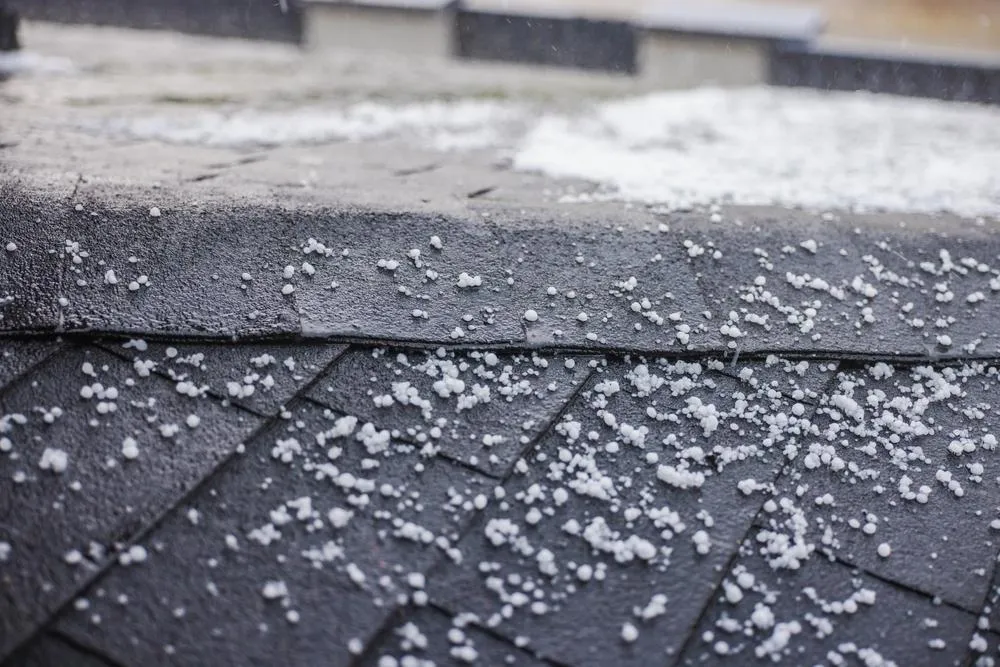
Best Roofing Materials for Hail-Prone Areas
Hailstorms can cause extensive damage to a roof in a matter of minutes, leading to costly repairs and potential structural problems. In areas prone to hail, selecting the right roofing material can make a significant difference in how well your home withstands severe weather. Homeowners who invest in durable, impact-resistant roofing enjoy greater protection, lower maintenance costs, and longer-lasting performance.
Choosing the best roofing materials for hail-prone regions involves evaluating impact resistance, longevity, and maintenance requirements. Materials such as steel roofing and EPDM membrane systems have proven to be reliable solutions for withstanding hail damage. The following sections detail the top options for hail resistance, explaining how each material can provide superior protection and long-term value.
Steel Roofing for Maximum Impact Resistance
Steel roofing is one of the best roofing materials for hail-prone areas due to its exceptional durability and resilience. Unlike asphalt shingles, steel panels resist denting and cracking even under heavy hail impact. This strength helps maintain the roof’s integrity, reducing the likelihood of leaks or structural damage after a storm.
Modern steel roofing systems come with protective coatings that prevent rust and corrosion, further extending their lifespan. These finishes also help the roof maintain its color and appearance despite prolonged exposure to sun, rain, and snow. The combination of strength and weather resistance makes steel an excellent investment for long-term performance.

Steel roofing is also fire-resistant and lightweight compared to other heavy-duty materials like slate or tile. This reduces structural stress on the home’s framework, while still providing superior protection. Homeowners can choose from standing seam, corrugated, or stone-coated steel designs to match their aesthetic preferences.
While the initial cost of steel roofing can be higher than asphalt shingles, the reduced need for repairs and replacements often offsets the investment. In hail-prone areas, the long-term savings and peace of mind make steel a practical choice.
EPDM Membrane Roofs for Flat and Low-Slope Applications
For homes with flat or low-slope roofs, an EPDM membrane roof is among the best roofing materials for hail protection. Made from a durable synthetic rubber, EPDM resists punctures and tears caused by hailstones. Its flexibility allows it to absorb impact without cracking, which is especially important in colder temperatures when other materials may become brittle.
EPDM roofing is typically installed in large sheets, reducing the number of seams where water could potentially infiltrate. This seamless design adds to its weather resistance and makes it easier to maintain over time. When properly installed, an EPDM membrane can last 30 years or more with minimal upkeep.
The dark color of EPDM helps it absorb heat in cooler climates, aiding in snow and ice melt. For warmer areas, reflective coatings can be added to reduce heat absorption and improve energy efficiency. This adaptability makes EPDM a versatile solution for various climates while still excelling in hail-prone conditions.
Maintenance requirements for EPDM roofs are minimal, but periodic inspections help ensure seams, flashing, and drainage systems remain in optimal condition. This simple upkeep preserves the roof’s protective qualities for decades.
Impact-Resistant Asphalt Shingles for Cost-Effective Protection
Impact-resistant asphalt shingles offer one of the best roofing materials options for homeowners seeking a balance between affordability and hail protection. These shingles are manufactured with reinforced layers and modified asphalt to withstand higher levels of impact. They carry Class 4 impact ratings, the highest standard for hail resistance in roofing materials.
Compared to standard asphalt shingles, impact-resistant versions are less likely to lose granules or crack under hail impact. This maintains the roof’s waterproofing ability and reduces the risk of leaks. They also come in a variety of colors and styles, making it easier to match the home’s existing design.
While they may cost more than regular shingles, the increased durability often results in lower long-term repair and replacement expenses. Some insurance companies even offer premium discounts for homes with Class 4 impact-resistant shingles installed.
Installation quality plays a key role in performance. Professional installation ensures shingles are properly fastened and sealed to resist wind uplift and water infiltration during severe storms.
Concrete and Clay Tiles for Heavy-Duty Weather Resistance
Concrete and clay tiles are among the best roofing materials for homeowners seeking both aesthetic appeal and hail resistance. These tiles are dense and hard, allowing them to withstand hail impact without significant surface damage. While individual tiles can break under extreme conditions, their overall durability and long lifespan make them a worthwhile option.
Clay tiles offer natural weather resistance, while concrete tiles can be manufactured with impact-resistant coatings to enhance durability. Both materials are fire-resistant and maintain their color well over time, even under harsh sunlight.

The weight of concrete and clay tiles requires a strong roof structure for support. In some cases, structural reinforcement is needed before installation. This added preparation ensures the roof can handle both the weight of the tiles and the stress of severe weather.
Although they are more expensive than other materials, the longevity and minimal maintenance requirements of concrete and clay tiles provide excellent long-term value. Their ability to enhance curb appeal is an added bonus for resale potential.
Synthetic Roofing Products for Versatile Performance
Synthetic roofing materials, such as polymer-based shingles or tiles, have emerged as some of the best roofing materials for hail-prone areas. These products are engineered to mimic the appearance of natural materials like slate, wood, or tile, while offering superior impact resistance.
The polymers used in synthetic roofing provide flexibility, allowing the material to absorb hail impact without cracking. They are also lightweight, reducing stress on the roof structure and making installation easier. Many synthetic options carry Class 4 impact ratings, confirming their ability to perform in severe hail conditions.
Synthetic materials are available in a wide range of colors, shapes, and textures, giving homeowners flexibility in design without sacrificing performance. Their low maintenance needs and long warranties make them appealing for those seeking both style and durability.
While synthetic roofing can be more costly than traditional asphalt, its resistance to hail, wind, and moisture damage makes it a smart choice for long-term protection. The combination of beauty and resilience ensures the roof remains both functional and visually appealing for decades.
Protect Your Home with Impact-Resistant Roofing Solutions
Choosing the best roofing materials for hail-prone areas can make the difference between frequent repairs and long-term peace of mind. Steel roofing, EPDM membrane systems, impact-resistant asphalt shingles, concrete and clay tiles, and synthetic roofing all offer unique advantages for withstanding severe weather. Each option provides a balance of durability, style, and performance tailored to different home styles and climates.
Muir Roofing and Construction specializes in installing high-quality, hail-resistant roofing systems designed to protect your home for decades. Contact us today to learn more about the best materials for your specific needs and schedule your professional consultation.

