

How to Spot Hail Damage on Your Roof Before It Gets Worse
Hailstorms can cause significant harm to a roof in just a matter of minutes, leaving behind damage that may not always be obvious. While some signs are visible from the ground, others require a closer inspection to identify. If hail damage on your roof goes unnoticed, it can lead to water infiltration, weakened structural components, and costly repairs over time.
Identifying hail damage early allows for timely repairs that protect the integrity of the entire roofing system. Homeowners who know what to look for can take immediate action to prevent minor issues from escalating into major problems. The following sections outline the key indicators of hail damage, along with professional insights on how to address them.
Recognizing Visible Shingle Damage
One of the most common signs of hail damage on your roof is visible shingle wear or breakage. Hail impact often leaves round dents or bruises in asphalt shingles, where the protective granules have been knocked away. This exposes the underlying asphalt layer, making it more vulnerable to UV damage and moisture penetration.
In severe cases, shingles may crack or split from the force of impact. These cracks can spread over time, especially during freeze-thaw cycles, allowing water to seep underneath. Damaged shingles lose their ability to effectively shed water, increasing the risk of leaks.
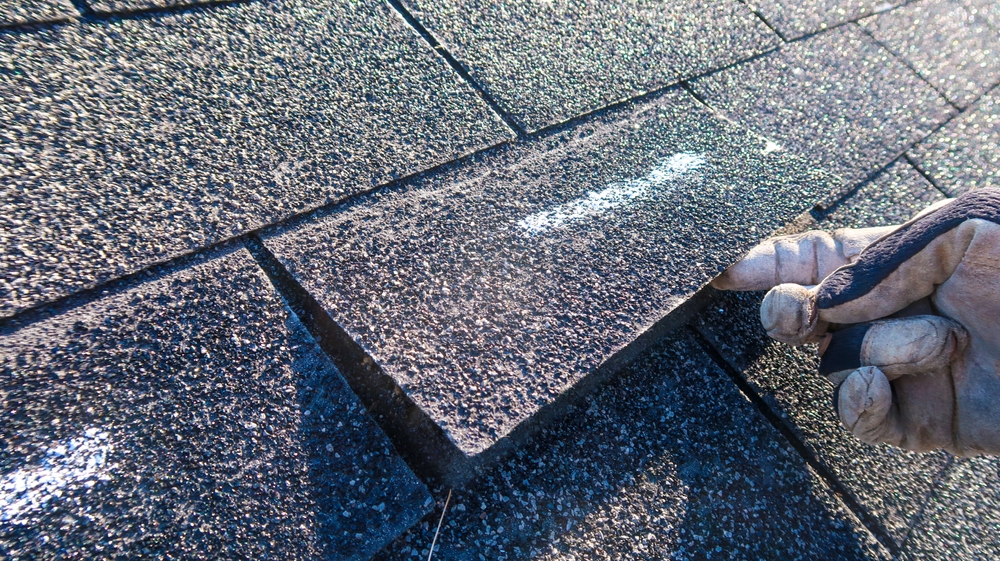
Granule loss not only affects waterproofing but also impacts the roof’s overall appearance. Dark spots or inconsistent color patterns across the roof may indicate areas where hail has stripped away granules. This cosmetic damage is often accompanied by more serious structural concerns.
A professional inspection can confirm whether shingle marks are hail-related or caused by normal wear. Differentiating between the two ensures you address the right issues and maintain warranty coverage.
Checking Gutters and Downspouts for Signs of Impact
Gutters and downspouts can offer clear evidence of hail damage on your roof. When granules are dislodged from shingles, they often wash into the gutter system. A sudden accumulation of roofing granules after a hailstorm is a strong indicator of damage.
Dents or dimples in the metal of gutters and downspouts are another telltale sign of hail impact. While these dents may seem cosmetic, they can disrupt water flow and lead to drainage problems. Inconsistent water movement can cause overflow, which damages siding, fascia boards, and landscaping below.
Inspecting gutter seams and joints is also important. Heavy hail impact can loosen or misalign these connections, creating leaks that channel water where it shouldn’t go. Over time, these small leaks can contribute to wood rot and foundation problems.
Evaluating gutters and downspouts immediately after a hailstorm helps confirm whether the roof has sustained enough impact to warrant a full inspection. This step ensures that both the roof and the drainage system remain in good working order.
Examining Roof Flashing and Metal Components
Flashing and other metal roof components are especially vulnerable to hail impact. These parts, including valley flashing, chimney flashing, and vent pipe covers, can show dents or distortions that reveal the force of the storm. Even minor deformation can compromise their ability to direct water away from seams and penetrations.
Scratches or chipped coatings on metal components reduce corrosion resistance. Once the protective layer is damaged, rust can form quickly, especially in areas exposed to frequent rain. This corrosion can weaken the metal, leading to leaks and premature failure.
Vent caps and skylight frames should also be checked for cracks or warping caused by hail impact. Damaged components may not seal properly, allowing moisture to enter around the openings. These leaks are often hidden until significant water intrusion occurs.
Professional inspectors use tools to detect even subtle indentations that the untrained eye might miss. Addressing metal component damage promptly ensures the entire roof system continues to perform as intended.
Identifying Damage to Roof Decking and Underlayment
While shingles take the brunt of hail impact, severe storms can also damage the roof’s underlying structure. The roof decking, typically made of plywood or OSB, can crack or splinter under heavy impact. This structural damage compromises the support for roofing materials, leading to sagging or instability.
The underlayment, which acts as a secondary moisture barrier, can tear or puncture when hail impact is strong enough. Damaged underlayment allows water to seep directly into the decking, accelerating deterioration. This issue often goes unnoticed until leaks develop inside the home.

Signs of hidden decking or underlayment damage include soft spots when walking on the roof or visible sagging between rafters. These symptoms indicate weakened areas that may fail under the weight of snow, debris, or additional weather stress.
Addressing structural damage early is crucial for safety and long-term performance. A thorough professional inspection can uncover these hidden problems and prevent further deterioration.
Monitoring Indoor Signs of Hail Damage
While most signs of hail damage on your roof are found outside, the interior of your home can also provide valuable clues. Water stains on ceilings or walls may indicate leaks caused by hail-compromised shingles, flashing, or underlayment. Even small discolorations can signal ongoing moisture intrusion.
In the attic, look for damp insulation, water spots on rafters, or visible daylight through the roof boards. These signs suggest that hail damage has breached the roof’s protective layers. Over time, moisture in the attic can lead to mold growth, which poses health risks and further damages structural components.
Musty odors inside the home may also point to hidden leaks. Moist environments encourage mold and mildew, which can spread quickly if the source of water is not addressed.
Regularly checking for these indoor warning signs helps detect hail damage before it leads to extensive repairs. Prompt action ensures both the roof and the interior of the home remain protected.
Protect Your Home with a Professional Hail Damage Inspection
Hail damage on your roof can escalate quickly if left unaddressed, leading to leaks, structural issues, and higher repair costs. From shingle bruising to compromised flashing and hidden underlayment damage, each sign of impact is an opportunity to take preventive action. Knowing what to look for helps homeowners respond promptly and effectively.
Muir Roofing and Construction specializes in identifying and repairing hail damage to restore your roof’s integrity and appearance. Our team uses proven inspection techniques to uncover visible and hidden damage, ensuring your home is protected against future storms. Contact us today to schedule your professional hail damage assessment.

