
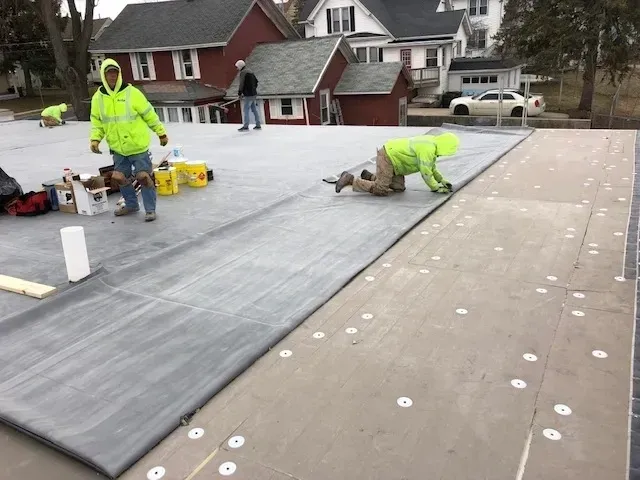
How Does TPO and EPDM Roofing Systems Differ for Energy Efficiency
Energy efficiency matters for Wisconsin property owners because heating and cooling costs remain high during long winters and humid summers. Roofing materials like EPDM roofing affect indoor temperature stability, energy loss, and monthly utility expenses. Clear comparisons help you choose systems that control operating costs without sacrificing building comfort.
Flat roofing systems respond differently to sunlight, snow cover, and temperature swings common across South Central Wisconsin. Heat reflection, insulation compatibility, and air sealing influence how hard HVAC systems must work. Understanding these factors supports smarter planning for roof replacement, inspections, and preventative roof maintenance.
TPO and EPDM Roofing Systems Differ in How They Control Heat and Energy Loss
TPO roofing reflects sunlight to reduce heat gain, while EPDM roofing absorbs heat and supports indoor warmth during colder months. Reflective membranes can lower cooling demand, while darker membranes help limit heat loss during winter. Energy efficiency depends on climate exposure, insulation quality, and building use rather than membrane type alone.
How Roofing Material Properties Influence Energy Performance
Roofing material composition directly affects how buildings gain or lose heat throughout the year. Surface color, membrane thickness, and seam integrity influence thermal behavior and air leakage. Proper material selection supports stable indoor temperatures and lower energy demand.

TPO membranes use light-colored surfaces designed to reflect solar radiation during warmer months. Reduced heat absorption can lower cooling system workload for buildings with high sun exposure. Reflectivity matters most during peak summer conditions and long daylight hours.
EPDM membranes use a rubber-based material that absorbs heat instead of reflecting it. Heat absorption can support indoor temperature stability during Wisconsin winters when heating demand increases. Insulation beneath EPDM roofing remains essential for consistent energy performance.
How Surface Reflectivity and Heat Absorption Affect Energy Use
Roof surface behavior directly affects indoor temperatures and seasonal energy demand across Wisconsin commercial and residential buildings throughout the year. Light-colored membranes reflect solar radiation, while darker membranes absorb heat and release it differently across changing seasonal conditions. These performance differences influence cooling loads during summer months and heating efficiency during prolonged winter periods.
TPO membranes reflect a high percentage of sunlight, which reduces heat transfer into buildings during peak summer operating conditions. Reduced heat gain lowers cooling system demand and helps stabilize indoor temperatures during extended heat exposure.
EPDM roofing absorbs heat rather than reflecting it, which can support indoor warmth during colder Wisconsin winter conditions. Heat absorption may reduce heating demand when insulation and air sealing perform effectively.
Reflective roofing performs best on buildings with high sun exposure and minimal shading from surrounding structures or trees. Flat roofs on open commercial properties often benefit most from reflective membrane surfaces.
Heat-absorbing membranes perform well when paired with sufficient insulation depth and effective air sealing practices. Controlled heat retention supports consistent indoor temperatures during prolonged cold weather.
Seasonal performance varies based on roof orientation, insulation levels, and overall building envelope design. Energy efficiency depends on how roofing materials interact with structural and mechanical systems.
Matching roof surface behavior to building use helps stabilize indoor temperatures and reduce mechanical strain. Balanced heat control limits extreme temperature swings throughout occupied spaces. Thoughtful selection supports predictable energy costs across seasonal changes.
How Insulation and Installation Quality Influence Energy Efficiency
Insulation performance has a greater impact on energy efficiency than membrane type across most flat roofing systems. Thermal resistance beneath the roof assembly controls heat movement regardless of surface reflectivity or color. Installation quality determines whether insulation maintains performance throughout the roof service life.
Insulation thickness influences how well buildings retain heat during winter and resist heat gain during summer. Gaps, compression, or moisture exposure reduce insulation effectiveness and increase energy loss. Proper roof installation supports consistent indoor comfort throughout changing seasonal conditions.
Air sealing matters because uncontrolled airflow undermines insulation performance and increases heating and cooling demand. Secure seams and penetrations reduce air movement through roof assemblies and structural connections. EPDM roofing depends on proper seam installation to maintain consistent energy control.
How Maintenance and Aging Affect Long-Term Energy Performance
Roof condition changes over time, which directly affects energy efficiency when maintenance lapses occur. Surface damage, seam wear, and moisture intrusion reduce insulation effectiveness and thermal stability. Regular upkeep protects long-term energy performance and interior comfort.
Routine inspections identify seam separation, surface damage, and insulation exposure before energy loss increases significantly. Early detection helps preserve consistent thermal performance across occupied spaces.
Preventative roof maintenance includes removing debris that traps moisture and degrades insulation performance over time. Dry roof assemblies perform more efficiently and maintain thermal resistance.
Aging membranes may lose surface characteristics that influence heat absorption and heat reflection behavior. Monitoring roof condition supports accurate long-term energy planning.
Storm damage response prevents water intrusion that compromises insulation layers and increases heat transfer. Dry insulation preserves intended energy efficiency levels.
Repair timing directly affects long-term performance and operating costs across building systems. Prompt roof repairs limit extended energy loss and mechanical strain.
Consistent maintenance preserves energy efficiency and reduces unnecessary strain on heating and cooling systems. Stable roof performance supports predictable indoor temperatures year-round. Long-term efficiency depends on inspection discipline and timely corrective action.
How Building Type and Energy Goals Shape Roofing System Selection
Building use affects how energy efficiency should be evaluated for flat roofing systems across Wisconsin properties. Warehouses, offices, retail spaces, and residential additions all manage heat differently throughout the year. Energy goals should match occupancy patterns, operating hours, and heating or cooling demands.

TPO systems often suit buildings with high summer cooling loads and large roof exposure to sunlight. Reflective surfaces help reduce heat gain in spaces with heavy daytime use. Lower cooling demand supports steadier indoor comfort and predictable energy costs.
EPDM roofing works well for buildings prioritizing heat retention during long Wisconsin winters. Darker membranes support temperature stability when heating remains the primary energy concern. Matching roofing systems to building needs prevents unnecessary energy loss and uneven performance.
Choose an Energy-Efficient Roofing System That Supports Long-Term Performance
Energy-efficient roofing decisions depend on climate exposure, insulation quality, and realistic building use rather than material trends. Understanding how systems manage heat helps reduce operating costs and avoid premature roof replacement. Clear planning supports inspections, maintenance schedules, and long-term performance.
Muir Roofing helps property owners across South Central Wisconsin evaluate flat roofing options with honest guidance and practical insight. Inspections, repairs, and maintenance planning focus on protecting energy performance and structural integrity. Contact us at Muir Roofing to plan a roofing system that supports efficiency, durability, and long-term value for your property.

