
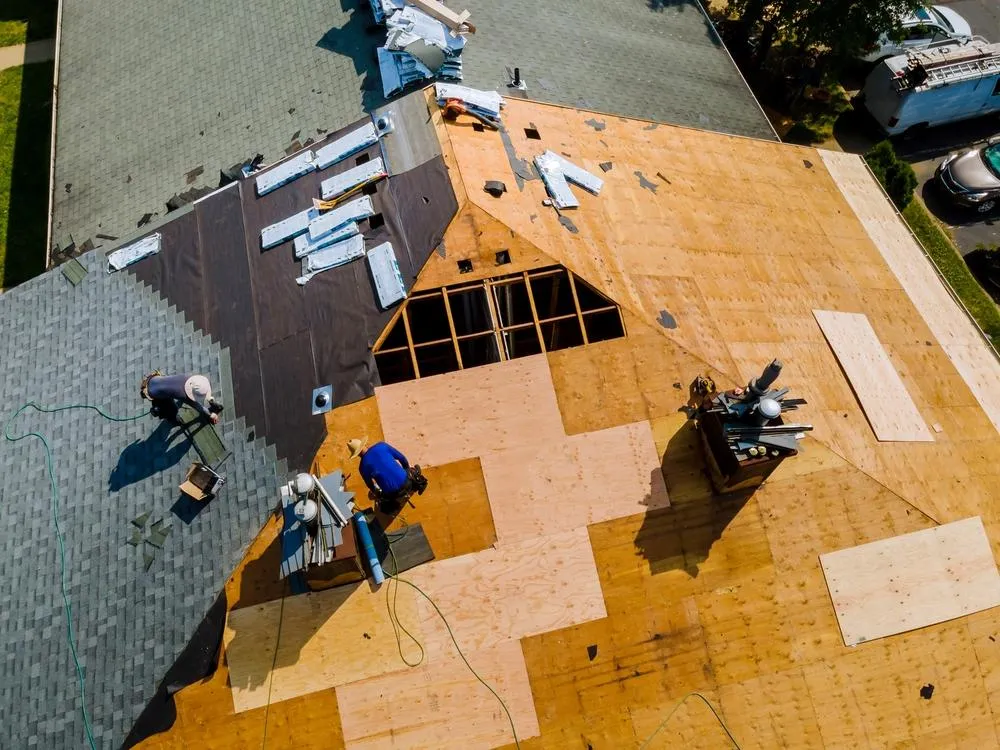
Why Is Roof Decking the Hidden Foundation of Every Roof
Roof decking is the structural base beneath roofing materials that supports shingles, tiles, or metal panels. Roof decking ensures stability and longevity while evenly distributing weight across the roof structure. Understanding its role helps homeowners protect their investment and prevent costly damage.
Even small issues with roof decking can lead to leaks, sagging, or early roof failure. Moisture, rot, or insect damage often go unnoticed until a replacement becomes urgent. Homeowners who learn to identify decking concerns can make informed repair or replacement decisions.
What You Need to Know About Roof Decking
Roof decking is the foundation that supports your entire roof. Damage from moisture, rot, or wear can lead to costly repairs if left unchecked. Understanding how to inspect and maintain decking helps homeowners protect their homes and extend roof life.
What Exactly Is Roof Decking?
Roof decking is the layer of boards or panels attached to roof trusses or rafters. It forms the foundation for all roofing materials and ensures the roof performs under weight and weather. Knowing the basics helps homeowners understand the importance of inspections.
Most roof decking is made from plywood or oriented strand board (OSB). These materials provide strength and stability under roofing materials. Choosing quality decking prevents future structural problems.

Regular inspection of the decking is crucial, even when the roof appears intact. Hidden damage can worsen over time and spread beneath shingles. Early attention ensures repairs are simpler and less costly.
Understanding decking also helps homeowners communicate effectively with contractors. Knowing the basics allows for better questions about installation, repair, and replacement. This knowledge ensures a strong, long-lasting roof foundation.
Common Signs of Damaged Roof Decking
Damage to roof decking may be hidden, but early signs appear if you know what to look for. Sagging or uneven roof surfaces indicate structural weakness. Ignoring these signs can lead to serious problems over time.
Water stains on ceilings or inside the attic often point to leaks affecting decking. Soft spots when walking in the attic are another warning. Mold or mildew growth can also indicate moisture intrusion.
Fasteners that pull out easily or panels that crack or warp show compromised decking. Leaks after storms may reveal weakened areas beneath shingles. Addressing these issues promptly avoids extensive repairs.
Early detection makes repair or replacement easier and more cost-effective. Homeowners should schedule professional inspections if any warning signs appear. Regular monitoring prevents minor damage from becoming major structural issues.
How Moisture Impacts Roof Decking
Moisture is one of the most destructive forces for roof decking. Water from leaks, ice dams, or poor ventilation can warp panels and cause rot. Mold growth is another risk that can affect indoor air quality.
Even small leaks can damage decking over time. Repeated exposure to rain or snow accelerates deterioration. Proper underlayment and flashing help protect decking from water intrusion.
Ventilation in attics plays a key role in moisture control. Poor airflow can lead to condensation and mildew. Regular checks prevent hidden moisture damage from escalating.
Homeowners should monitor attic humidity and repair leaks promptly. Early action preserves structural integrity. Protecting decking ensures the overall longevity of the roof, and proper airflow can help prevent hidden issues from developing.
Evaluating Roof Decking Before Replacement
Replacing shingles without inspecting decking can hide serious issues. Damaged decking may fail soon after a new roof is installed. A thorough evaluation ensures a durable foundation.
Contractors should examine all decking for rot, gaps, and water damage. Using high-quality plywood or OSB ensures strength under changing weather. Proper evaluation maximizes the life of roof replacement services.
Decking replacement during roof installation is critical for safety and performance. Weak or compromised panels must be addressed before new shingles go on. This prevents costly repairs in the future.
Homeowners should ask contractors about inspection methods and repair standards. Clear communication ensures all decking concerns are addressed. Understanding the evaluation process protects both the roof and the home.
Questions Homeowners Should Ask Contractors
When hiring a roofing contractor, asking the right questions ensures decking is properly evaluated. Understanding the scope of inspection prevents hidden problems. Homeowners can protect their investment by asking key questions.
Important questions to ask include:
How thorough is the decking evaluation?
Will only damaged sections be replaced or the entire deck?
Are high-quality plywood or OSB panels used?
How is water intrusion prevented during installation?
Does the contractor guarantee both decking and roofing materials?

These questions help homeowners ensure roofing and decking receive proper attention. Professional guidance reduces risks and extends roof life. Clear expectations prevent surprises during installation.
Contractors’ experience and certifications matter as much as their answers. Ask about training, years in business, and references. This helps homeowners choose a reliable professional for long-term roof protection.
Additional questions about roof warranties and follow-up inspections can provide extra peace of mind. Knowing what is covered and how the contractor handles future issues ensures confidence in the work. This preparation protects both your roof and your investment.
Steps to Protect Roof Decking
Homeowners can take proactive steps to prevent decking damage. Proper care extends roof life and reduces costly repairs. Attention to small issues can prevent major structural problems.
Five steps homeowners can take include:
Inspect the attic regularly for leaks, sagging, or water stains.
Maintain proper ventilation to prevent condensation and mold growth.
Clear debris from roof and gutters to avoid moisture accumulation.
Repair leaks promptly, addressing shingles, flashing, or plumbing issues.
Schedule professional inspections to detect hidden damage or wear.
Following these steps keeps decking strong and reliable. Regular maintenance preserves the roof’s overall integrity. Professional inspections complement homeowner efforts for long-lasting protection.
Homeowners should also document maintenance and repairs over time. Keeping records helps contractors spot patterns and prevent recurring issues. This proactive approach ensures decking remains secure and the roof lasts longer.
Another effective step is scheduling periodic roof evaluations by professionals. Experts can catch hidden issues that homeowners may miss. This routine checkup helps prevent costly repairs down the line and highlights best roofing materials for hail-prone areas homeowners can choose.
Ensuring a Strong Foundation for Your Roof
Roof decking issues often go unnoticed, even when a roof looks intact. Evaluating and repairing decking before replacement ensures a solid foundation for shingles, tiles, or metal panels. Timely inspections prevent leaks, structural failure, and expensive repairs.
Muir Roofing & Construction thoroughly assesses, repairs, or replaces compromised decking to create a strong, durable roof foundation. Contact us today to schedule a professional inspection and safeguard your home for years to come. Expert guidance ensures lasting peace of mind.

