
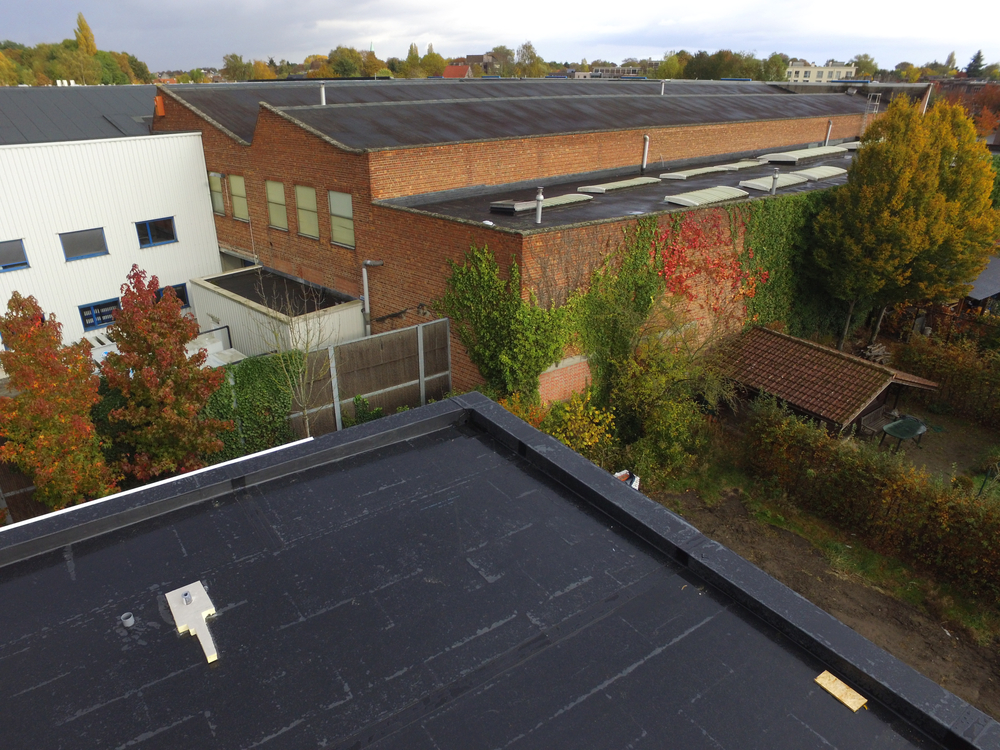
What Should Wisconsin Property Owners Know About EPDM Flat Roof Installation
Flat roofs remain common across Wisconsin commercial buildings and residential additions because they offer flexibility and efficient use of space. Property owners often feel unsure about installation details, long-term durability, and maintenance needs before committing to a flat roofing system. Clear guidance helps you plan smarter projects, avoid surprises, and protect your building investment from early roof failure.
Wisconsin weather adds pressure through snow loads, standing water, and temperature swings that challenge flat roof performance. Understanding materials, installation steps, and inspection expectations makes decisions easier for owners managing long-term properties. Knowing what to expect supports better planning for roof replacement, roof repairs, and preventative roof maintenance.
EPDM Flat Roof Installation Provides Reliable Protection for Low-Slope Buildings
An EPDM flat roof offers durable waterproof protection using a single-ply rubber membrane designed for low-slope buildings. Proper installation focuses on surface preparation, seam sealing, and drainage planning to prevent leaks and standing water. Wisconsin property owners benefit from predictable performance, easier inspections, and straightforward maintenance planning over time.
How Installation Details Affect Flat Roof Performance and Longevity
A closer look at installation details helps clarify how flat roofing systems perform after professional installation. An EPDM flat roof relies on proper substrate preparation to ensure adhesion, stability, and long-term membrane performance. Installers must address slope, drainage paths, and edge details to support leak prevention from day one.

Surface cleanliness and moisture control directly affect seam strength and overall roof lifespan after installation. Poor preparation often leads to early failures discovered during inspections or after heavy rain events. Quality installation reduces future roof repairs and supports predictable maintenance planning for owners over time.
Drainage design matters because standing water accelerates wear and increases storm damage response needs locally. Regular inspections help catch seam issues, punctures, and flashing problems before leaks spread inside buildings. Clear installation standards make ownership easier for Wisconsin properties with long service expectations over decades.
How EPDM Flat Roofs Handle Wisconsin Weather Conditions
EPDM flat roofs perform well in Wisconsin because the membrane stays flexible during cold temperatures and sudden weather changes. Snow loads, heavy rain, and freeze-thaw cycles put constant stress on low-slope roofs across South Central Wisconsin. Material flexibility and seam integrity directly affect leak risk and long-term durability.
EPDM flat roof membranes remain flexible during winter, which helps prevent cracking during repeated freeze-thaw cycles. Flexibility allows the membrane to move without splitting under temperature stress.
Rain and melting snow place pressure on drainage systems during spring and early summer. Proper installation helps water move toward drains instead of pooling on the roof surface.
High winds stress roof edges, seams, and penetrations during storms. Secure attachment methods help reduce storm damage response needs.
Sun exposure affects membrane aging during warmer months. EPDM resists ultraviolet damage better than many flat roofing materials.
Hail and debris can puncture flat roofs when surfaces remain unchecked. Regular inspections help catch damage early and support leak prevention.
Consistent weather performance reduces emergency roof repairs and interior water damage. Predictable behavior makes flat roofs easier to manage over time. Weather-resistant materials support long-term ownership planning.
How Cost and Life-Span Expectations Shape Flat Roof Decisions
Flat roof decisions often come down to balancing installation cost with expected service life. Property owners want materials that protect buildings without creating frequent repair cycles. Budget planning improves when performance and longevity align.
An EPDM flat roof generally costs less than many commercial flat roofing systems at installation. Faster installation and simpler materials help control labor expenses. Lower up-front cost appeals to owners managing multiple properties.
Service life matters because flat roofs require ongoing oversight. EPDM systems often last decades with inspections and preventative roof maintenance. Predictable aging simplifies planning for future roof replacement and roof repairs.
How Maintenance and Inspection Needs Affect Flat Roof Ownership
Flat roofs require consistent monitoring because small issues spread quickly when left unaddressed. Seam separation, punctures, and drainage problems often appear before interior leaks develop. Regular inspections protect buildings and reduce long-term repair costs.
Routine inspections help identify seam wear, punctures, and blocked drains early. Early detection limits water intrusion and interior damage.
Preventative roof maintenance includes removing debris that traps moisture after storms. Clean surfaces reduce membrane stress and improve drainage.
Storm damage response often focuses on edges and roof penetrations after high winds. Quick checks prevent minor damage from becoming major repairs.
Seasonal inspections support leak prevention during freeze-thaw cycles. Consistent scheduling keeps systems performing as intended.
Inspection records help track roof condition over time. Documentation supports future roof replacement planning.
Ongoing maintenance reduces surprise failures and emergency repairs. Clear inspection routines make ownership easier to manage. Proactive care supports long-term flat roof performance across South Central Wisconsin properties.
How Long-Term Building Use Influences Flat Roof Planning
Building purpose strongly affects how flat roofing decisions should be made over time. Warehouses, retail spaces, offices, and residential additions place different demands on roof durability and access. Matching material performance to building use helps avoid premature roof replacement.

An EPDM flat roof works well for buildings needing consistent protection with minimal disruption during ownership. Simple repairs and predictable aging support properties with long-term tenants or steady operations. Fewer surprise failures help owners manage inspections and maintenance schedules confidently.
Future plans also matter when selecting flat roofing systems. Owners planning renovations, expansions, or eventual property sales benefit from stable roof performance. Reliable materials support smoother inspections across Dane County, Rock County, and the surrounding South Central Wisconsin areas.
Choose a Flat Roofing Approach That Supports Long-Term Property Protection
Flat roof success depends on understanding installation quality, maintenance needs, and realistic performance expectations in Wisconsin conditions. Clear planning reduces leaks, interior damage, and costly emergency roof repairs. Smart decisions protect buildings and simplify long-term ownership.
Muir Roofing helps property owners across South Central Wisconsin evaluate flat roof options with honest assessments and practical guidance. Inspections, repairs, and preventative roof maintenance focus on reducing risk and extending roof life. Contact Muir Roofing to plan your EPDM flat roof project with confidence and long-term protection in mind.

